
Velocity Testing | Thompson Center Barrels
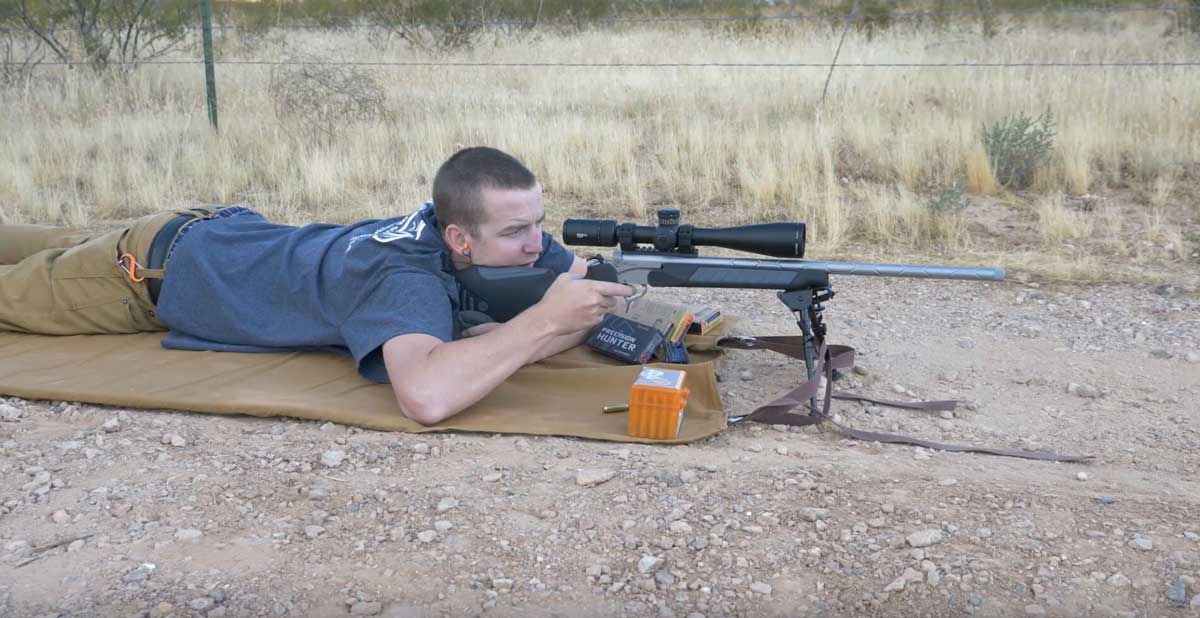
We conducted velocity testing to help our customers answer the seemingly hardest question when it comes to ordering a new custom barrel: What length? With the velocity testing data we’ve collected, making that decision is easier than ever. Now our customers can know how much, if any, difference there is at a specific length.
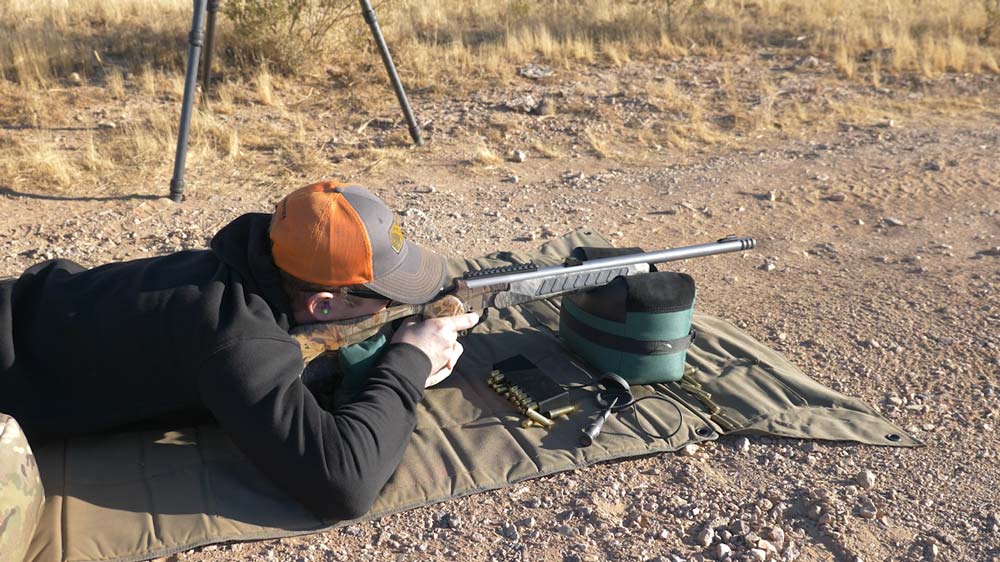
We built six of our most demanded Encore barrels at 27″ (our maximum barrel length), then we tested and recorded the velocity. The barrels are: 6.5mm Creedmoor, 280 Remington Ackley Improved, 444 Marlin, 450 Bushmaster, 460 Smith & Wesson Magnum, and the 45-70 Government. We then cut an inch off each barrel and retested again, repeating the process 14 times, ending at 13″. The ammunition we selected for the tests was a combination of popular factory-loaded average-weight bullets, to the heavier-than-standard hand loads. We wanted to cover the most sought-after bullet weights for the caliber so our testing was as relevant as possible to anyone.
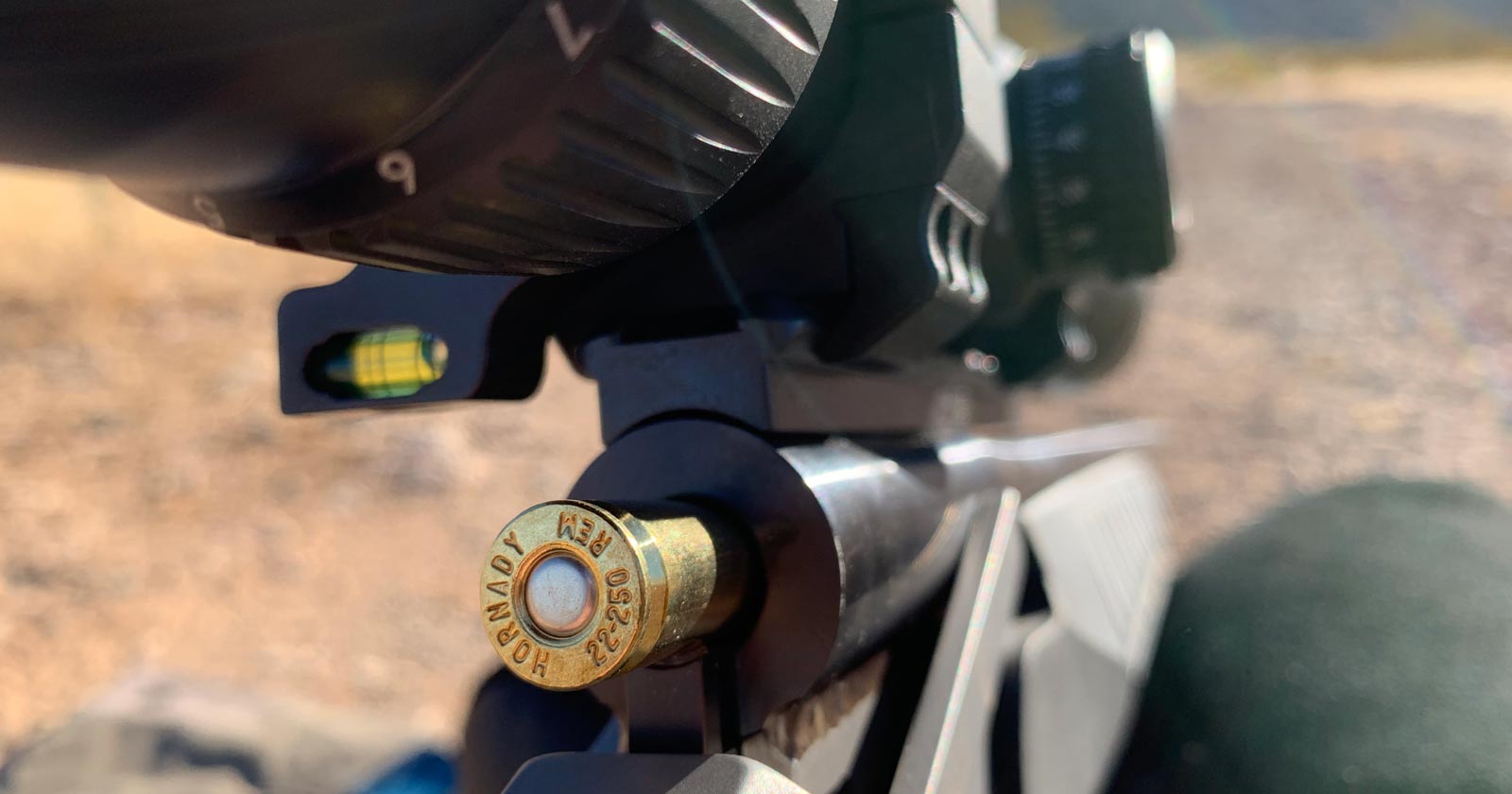
All of the barrel cleaning and shortening was done here at Match Grade Machine. The hand loads were put together by Steve’s Custom Guns, a local enthusiast. Steve also performs all of the load data for customers who don’t want to take the time to tune loads to their barrels or if they are experiencing difficulties with their own setup. We have to commend Steve for his thorough data collection and willingness to spend the time to painstakingly shoot six barrels, then shorten and repeat.
For practical reasons, people are going with shorter barrels because 50-100 fps isn’t that much of a difference for cartridges and their distance capabilities. Due to many reasons, shorter barrels are easier to tune and handle, therefore have greater accuracy potential.
Take a look at the first velocity testing results we have compiled and see for yourself how length affects performance on firearms.
DISCLAIMER:
The data below is for informational purposes only and is provided only to help you determine which barrel best suits you. This is not meant to be instructive of the loads you should actually use, and you should not rely on the load information below in loading your own rounds. Hand-loading ammunition can be dangerous if done improperly, and mistakes may result in serious injury or death. Always use a reputable reloading manual to source information on selecting loads for your firearm. Match Grade Machine is not responsible for any mishap caused by negligent or otherwise improper hand-loading of cartridges. Be sure to always use the proper equipment, tools, and safety measures when reloading, shooting, transporting, and cleaning your firearms. Know your firearm’s capabilities and operation procedures before use.
6.5mm Creedmoor
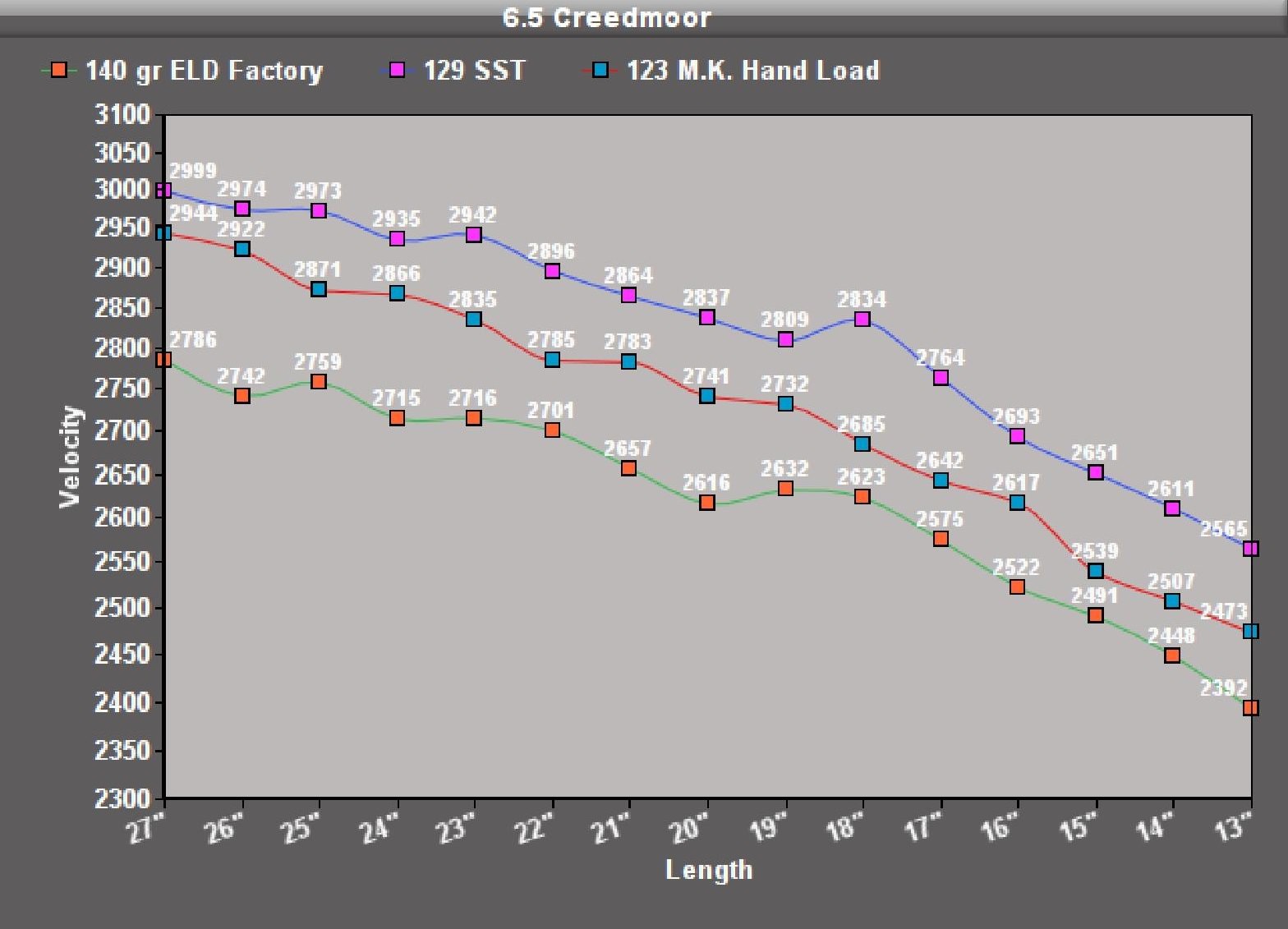
No matter what shooting style is chosen, it’s best to know the velocity range at a length before purchasing. As you can see, length on the 6.5mm Creedmoor is a factor that affects performance, so make sure to research your application and make your decision wisely.
44 grains of H4350 Extreme
Federal 210 Primer
Hornady Case
Velocity range: 2,944 fps at 27″ to 2,476 fps at 13″, a 468 fps spread
280 Remington Ackley Improved
62 grains of H4831SC Extreme
Federal 210 Primer
Nosler case
Velocity range: 3,084 fps at 27″ to 2,529 fps to 13″, a 555 fps spread
58 grains of H4831SC Extreme
Federal 210 Primer
Nosler case
Velocity range: 2,885 fps at 27″to 2,348 fps at 13″, a 537 fps spread
444 Marlin
46 grains of H4198 Extreme
CCI-200 Primer
Hornady Case
Velocity range: 2,256-1,970 fps, a 286 fps spread
42 grains of H4198 Extreme
CCI-200 Primer
Hornady Case
Velocity range: 2,093-1,763 fps, a 330 fps spread
450 Bushmaster
Both loads we tested had the least amount of velocity lost from cutting the barrels down! This means go as short as needed without any worry of hindering performance.
32 grains of Lil’ Gun
CCI-400 Primer
Hornady Case
Velocity range: 2,091-1,917 fps, a 174 fps spread!
460 Smith & Wesson Magnum
Brake it. Get a muzzle brake to tame this monster.
Hand-load with the 250 FTX and start mild. There’s very little, if any data to load with this bullet, but it’s a far superior choice over the 200 grain factory ammo.
Unexplainable (vertical) inconsistent groups and matching spreads in velocity.
42 grains of Lil’ Gun
CCI-200 Primer
Hornady Case
Velocity range: 2,597-2,252 fps, a 345 fps spread
40 grains of Lil’ Gun
CCI-200 Primer
Hornady Case
Velocity range: 2,327-2,095 fps, a 232 fps spread
45-70 Government
48 grains of H4198 Extreme
CCI-200 Primer
Remington Case
Velocity range: 1,966-1,743 fps, a 223 fps spread